
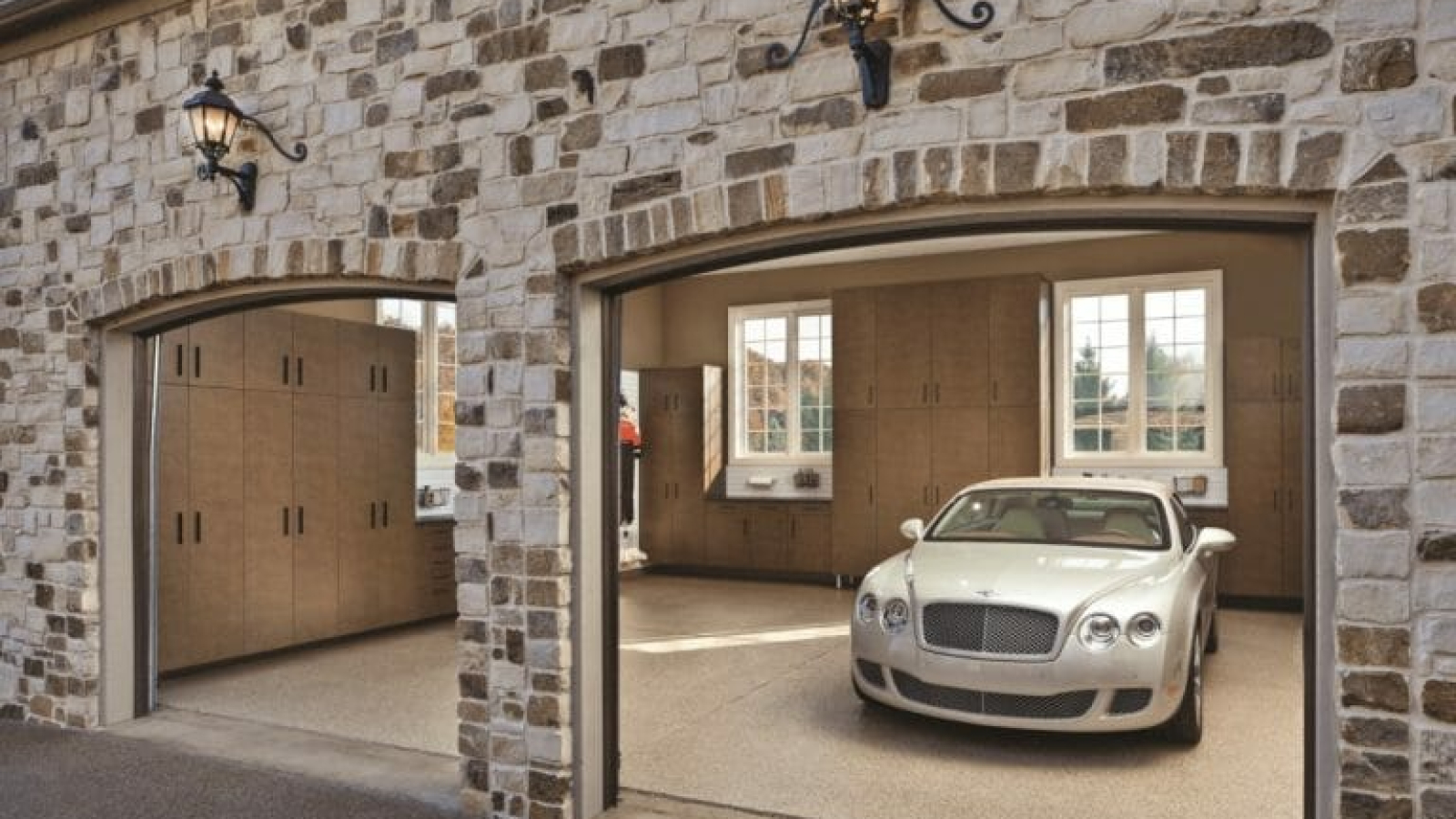
Reclaim your space with custom garage storage planned around parking, seasonal gear, and your everyday routine.
TL;DR
Garage storage systems in Toms River can help you prepare for winter by giving summer belongings a defined home, keeping cold-weather tools accessible, and protecting space for parking. Start with your vehicle and walking routes, then choose cabinets, shelving, wall organizers, and suitable overhead storage around the items you own.
Contemporary Closets helps Toms River homeowners organize seasonal gear and everyday equipment through measured layouts, custom garage cabinetry, and coordinated wall storage. A free design consultation can help you compare options and confirm the project schedule.
Below, find practical layout examples, a storage comparison, a published company planning reference, and a checklist for testing whether your garage works better after installation.
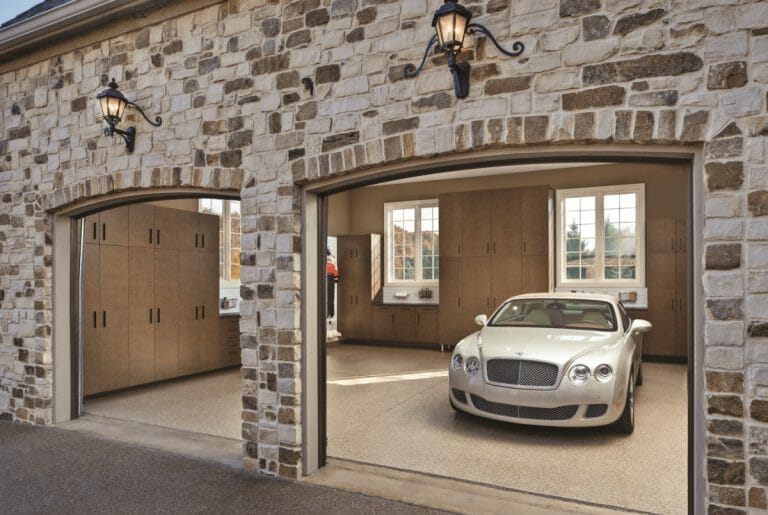
The beach chairs are still leaning against the wall. Holiday bins are stacked behind the bicycles. Somewhere near the back of the garage is the snow shovel you will eventually need.
For a Toms River household, the change of seasons is a practical time to reset that space. Summer equipment can move out of the everyday rotation, while winter essentials need to move within reach. Without a plan, the new season simply adds another layer to the same crowded floor.
At Contemporary Closets, we help Toms River homeowners reclaim usable garage space through custom cabinetry, wall organization, and a layout designed around their belongings. The goal is practical: make seasonal items easier to store and retrieve while preserving the space needed for daily routines.
Set Your Winter Parking and Storage Goals
Before choosing cabinets or buying more bins, decide what a successful garage would let you do on an ordinary winter morning.
Would you be able to park inside, open the car door, and reach the entrance to the house without moving anything? Could you find a shovel without unpacking summer gear? Is there a convenient place to set down wet footwear without blocking the walkway?
Write down your three most important goals. For example:
- Park one vehicle inside every night.
- Reach winter tools without moving boxes.
- Store beach equipment until spring without losing track of it.
Use those goals to guide the layout. A wall filled with cabinets is only useful if the items you need fit inside and the remaining space still supports your daily routine.
Sort and Measure Before You Design
Group belongings into four categories: use this winter, store until next season, relocate elsewhere, and remove from the home.
Be specific. “Sports equipment” may include a bicycle used weekly, beach games that will sit untouched for months, and outgrown gear ready to donate. Those items should not all receive the same storage priority.
Measure unusually bulky belongings and keep a short inventory. Designing around the actual folding chairs, bins, or tool cases you own is more useful than estimating how many shelves might look right.
Choose Custom Garage Cabinets in Toms River NJ Around Seasonal Access
Different storage components solve different access problems. Rather than assigning every item to a cabinet, consider how often you use it and how much effort it takes to put away.
| Storage component | Useful seasonal role | What to consider |
|---|---|---|
| Tall cabinets | Grouping household supplies and suitable seasonal equipment | Interior dimensions, adjustable shelves, and door clearance |
| Open shelving | Keeping labeled bins visible and easy to retrieve | Bin size, shelf spacing, and published load limits |
| Wall organizers | Giving long-handled tools and frequently used equipment a defined place | Compatible accessories, mounting requirements, and reach |
| Drawers | Separating small tools, hardware, and project supplies | Dividers and usable drawer depth |
| Overhead storage | Holding suitable, infrequently needed seasonal items | Structural suitability, weight limits, garage-door clearance, and access |
Contemporary Closets’ garage offerings include cabinetry, wall organization, and overhead storage options. The appropriate combination depends on the room and what needs to stay in it.
If you are still deciding between individual shelving units and a complete system, explore our guide to custom garage storage versus off-the-shelf shelving.
Plan Wall Storage for Snow Shovels and Winter Tools
The first items you need during bad weather should be among the easiest to reach.
Choose an accessible section of wall for the tools you use outside in winter. Keep the route to that section clear when the vehicle is parked. Otherwise, a neatly stored shovel may still be difficult to retrieve at the moment you need it.
For frequently used belongings, think about the return trip as well. A storage location should make putting an item back straightforward. Hooks that are awkward to reach or bins buried under other bins encourage things to return to the floor.
A small, well-defined winter zone might include:
- A designated holder for a shovel or broom.
- A reachable spot for frequently used outdoor accessories.
- A removable boot tray positioned outside the walking path.
- An open shelf for suitable items that need frequent access.
Avoid turning this area into another general-purpose drop zone. Store only the belongings that support the current season, and review the arrangement when spring arrives.
Plan Garage Storage for Beach Chairs and Holiday Decorations
For households that spend time at the Jersey Shore, seasonal storage may include beach chairs, umbrellas, outdoor games, and fishing equipment. The challenge is keeping those belongings together without allowing them to dominate the garage year-round.
Clean and dry appropriate items according to their care instructions before storing them. Group smaller accessories by activity so that setting up for the next beach trip does not require searching several unrelated bins.
Use labels that describe both the contents and the occasion. “Beach towels and games” is more useful than “Summer.” For holiday decorations, separate the items you need first from the ones used later.
Consider keeping a simple inventory on your phone. A photograph of the contents before closing a bin can save time when you are looking for one particular item months later.
Seasonal storage should be a rotation, not a permanent exile. If a bin goes untouched through several seasonal changes, review whether its contents still deserve that space.
Protect Parking Space Before Filling the Walls
A garage can look organized and still be difficult to park in. Before approving a storage layout, test it against the way you actually use your vehicle.
Park in the intended position and check the space needed to enter, exit, unload groceries, and reach the house. Include the person who uses the garage most often in this exercise. Their experience may reveal an awkward corner that a simple room measurement misses.
Then consider the everyday sequence: open the garage, park, take out bags, close the vehicle door, and walk inside. Storage should support that sequence without requiring constant rearrangement.
For a smaller garage, ask whether a shallower arrangement or a focused section of wall organization would meet your goals. You do not need to fill every wall to make a meaningful improvement.
Plan Your Garage Around Your Daily Routine
Discuss your parking goals, seasonal equipment, and storage priorities with Contemporary Closets during a free design consultation.
Three Practical Garage Layout Examples
These hypothetical scenarios illustrate planning decisions. They are not completed Contemporary Closets projects or promised results.
A One Car Garage Filled With Seasonal Bins
Imagine a household with eight storage bins on the floor, two bicycles, and a vehicle that currently stays outside. Start by measuring the bins and testing the parking position with the vehicle doors open. A designer might explore shelving sized to the bins and suitable wall-mounted bicycle storage, while keeping the route to the house clear.
The useful test is whether you can park and reach the entrance without shifting a bin or bicycle. For garage organization ideas for a one-car garage, begin with that test before deciding how many cabinets to install.
Beach Equipment Sharing Space With Winter Tools
Consider a family storing six beach chairs, an umbrella, fishing gear, holiday decorations, and a snow shovel. Group the beach items in a seasonal zone, label decoration bins by when they are needed, and keep the shovel in an accessible holder. Store heavy or awkward items where they can be handled safely; overhead storage requires a suitability and load-limit check.
The useful test is whether the shovel can be retrieved while the car is parked and the summer items remain stored. Frequently needed winter tools should not sit behind equipment that will be unused until spring.
A Garage That Must Also Support Small Projects
Picture a homeowner who wants parking space, a work surface, and storage for hand tools. A full-depth cabinet run along both side walls may conflict with that goal. Discuss a focused work area, drawers for small supplies, and shallower storage where needed. Check cabinet and drawer movement with the vehicle in place.
The useful test is whether you can use the selected work area and put tools away without repeatedly moving the vehicle. Garage storage design to keep parking space clear should account for these movements, not just the room dimensions.
Plan for Wet Gear and Garage Conditions
Winter organization should make cleanup easier. It should also account for the condition of the garage before new storage is installed.
Look for places where water collects, damp belongings tend to land, or dirt gets tracked toward the house. Address an active leak or drainage issue before treating cabinetry as the solution. Storage furniture does not correct the underlying moisture problem.
Discuss the intended environment with your designer and request care information for the selected materials. Do not assume a cabinet is waterproof because it is sold for garage use.
For items that become wet during use, provide an appropriate drying location before putting them into enclosed storage. Keep the floor accessible enough to clean rather than packing every available space with containers.
Review Products That Need Separate Storage
An empty cabinet is not automatically an appropriate place for every household product.
The U.S. Fire Administration’s garage fire-safety guidance advises storing oil, gasoline, paints, propane, and varnishes in a shed away from the home. It also recommends keeping combustible items away from appliances.
Follow product labels and applicable storage requirements. During planning, identify items that need a different location rather than including them in an ordinary cabinet inventory.
A Published Client Example of Storage Built Around Daily Life
In a testimonial published on our website, a Marlboro homeowner reports having four closets installed, including a custom arrangement with cubbies for children’s coats and backpacks. The reviewer describes a positive experience with the design process and completed storage.
This is a closet project, not a garage makeover in Toms River. Its relevance is the planning principle: identify the items a household handles every day and give them dedicated storage. A garage consultation applies that same question to tools, beach gear, and seasonal belongings.
What to Discuss During a Garage Design Consultation
Bring photographs of the current space, your inventory, and your winter priorities. Include anything that repeatedly ends up on the floor; those items often reveal where the present setup fails.
Useful questions include:
- Which storage components fit the items I already own?
- Can the arrangement change when our seasonal equipment changes?
- Will cabinet doors and drawers open comfortably with the vehicle parked?
- What site preparation is needed before installation?
- Which costs are included in the estimate?
- What is the expected schedule for this particular project?
Use Our Published Timeline as a Planning Reference
Our Toms River service page lists a typical four-to-six-week window from initial consultation to final installation, with on-site installation usually taking one day. These are published planning estimates for the custom storage process, not a measured garage-project average or a guaranteed completion date.
For a garage project, confirm the schedule after the design and site requirements are reviewed. Tell the team when you want the garage ready, and ask when measurements, design approval, preparation, and installation would need to happen to meet that goal.
Planning reference: Toms River design and installation FAQ
If completion before winter matters, explain that at the first conversation. Design decisions, material availability, preparation, and installation scheduling can affect the timeline. Confirm the actual completion date before making plans around it.
Contemporary Closets provides custom storage services in Toms River and offers free design consultations. That conversation is an opportunity to assess the room and decide which improvements will be most useful for your household.
Record Your Own Before and After Measurements
Before installation, take a photograph from the garage entrance and record three observations: how many items must move before you can park, whether winter tools can be reached with the car inside, and where seasonal bins are stored. Repeat the check after installation and after a few weeks of use. These household-specific observations help you judge the layout without relying on a promised percentage increase in storage.
Your Before Winter Garage Checklist
Before calling the project finished, walk through the garage with these questions in mind:
- Can the intended vehicle park comfortably?
- Can everyone reach the house entrance without stepping around stored items?
- Are winter tools accessible while the car is inside?
- Are summer belongings clean, dry, grouped, and labeled?
- Can frequently used items be returned to storage easily?
- Are utility and service areas accessible?
- Have unsuitable products been assigned an appropriate storage location?
- Is there enough open floor to clean the garage without unloading it?
Repeat this review after a few weeks of normal use. Small adjustments to shelf placement, labels, or accessory locations can make the system easier to maintain.
Frequently Asked Questions
What is the best garage storage system for a Toms River home?
The best system fits the household’s belongings, available space, and daily routine. Cabinets can contain visual clutter, wall organizers can keep tools accessible, and shelving can simplify seasonal-bin storage. Start with parking and access goals, then choose the components that support them.
Can custom garage storage help me park inside again?
It can, when stored belongings are taking up space that could be reorganized. A measured layout helps identify what can move to walls or suitable upper storage. Whether a vehicle will fit comfortably depends on the garage dimensions, the vehicle, and the amount of equipment that must remain.
Is overhead storage suitable for winter equipment?
Reserve overhead storage for suitable items you do not need frequently. Equipment you may need quickly during winter should remain accessible. Have the installer confirm structural suitability, clearance, and product load limits before choosing an overhead system.
How much do garage storage systems in Toms River cost?
Pricing depends on the size and complexity of the project, the storage components, selected materials, accessories, and installation requirements. Request a design-specific estimate that separates the included work from optional upgrades or site preparation.
Can garage cabinets be installed during winter?
Ask the installer to assess the project and site conditions. Access, weather, materials, and any associated flooring work may affect the schedule. If you want the garage ready before winter, request a consultation early and confirm the installation window directly.
Does Contemporary Closets offer free design consultations?
Yes. Contemporary Closets offers free design consultations and serves Toms River. You can discuss your garage layout, seasonal storage needs, and preferred project timing with the team.
Plan Your Toms River Garage Before Winter
Picture the first cold morning when your car is already inside, the shovel has a designated place, and summer equipment is stored where you can find it again. That is a useful goal for a garage makeover: a space that supports the way your family lives.
Contemporary Closets can help you explore garage storage systems in Toms River that fit your room and your priorities.
Leave A Comment